Things My Dad Would Never Say
An AI-clone experience dedicated to dad
Summary
Quick Facts
Solo Project by Shawki
My Role(s): Designer, Developer
Tools Used: Hugging Face, Claude Design, Cursor
Release: May 2026
Timeline: 6 Hours
Description
'Things My Dad Would Never Say' is an interactive AI voice-cloning experiment created for a data visualization assignment. Using a cloned version of my dad’s voice and a dataset of Gen-Z slang, I built a playful web experience where users can hear an AI-generated version of my dad saying phrases he would never realistically say. The project explores the uncanny possibilities of voice cloning while balancing humor, craft, and personal storytelling.
Inspiration
For this assignment, we were asked to work with a dataset and create an experience that would not have been possible without AI. I saw this as an opportunity to explore voice cloning — a technology that fascinates and genuinely scares me at the same time.
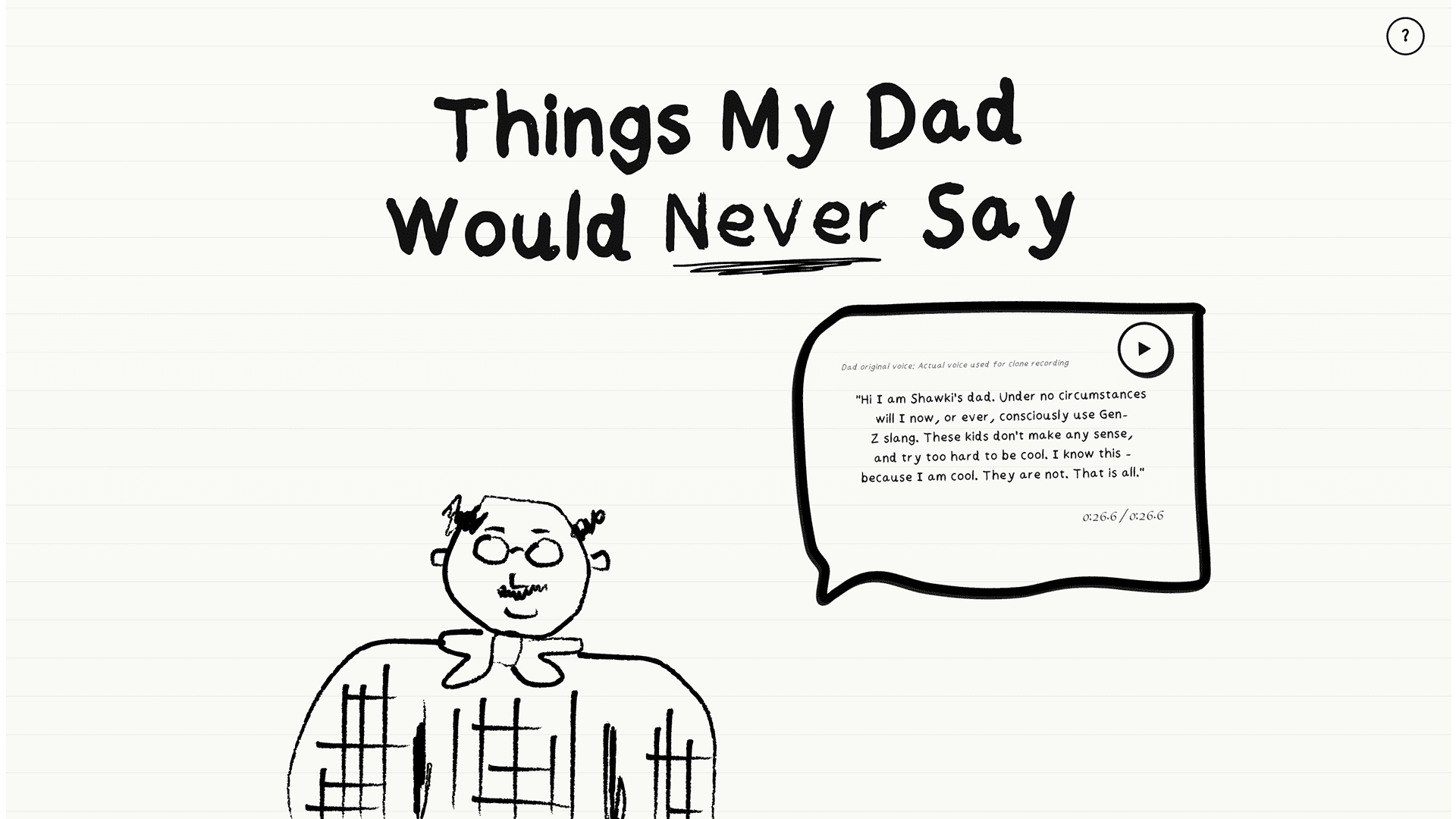
Rather than approaching the topic from a dystopian angle, I wanted to create something personal and humorous. I asked my dad over WhatsApp to send me a voice recording that I could use to train a voice-cloning model from Hugging Face. I then paired the cloned voice with a dataset of popular Gen-Z slang, generating sentences that my real father would almost certainly never say.
The result became a playful experiment that sits somewhere between comedy, discomfort, and technological curiosity.
And cringe.
Lots and lots of cringe.
The Design Process
Voice Cloning and Dataset Exploration
I began by researching open-source voice-cloning models and experimenting with different Hugging Face tools. After training the model using my dad’s voice sample, I sourced a dataset of Gen-Z slang and began generating custom phrases for the AI dad to say.
Some outputs sounded awkward, while others were surprisingly convincing — which became part of the experience itself. The uncanny realism made the project feel both funny and unsettling.
Crafting a Human Aesthetic
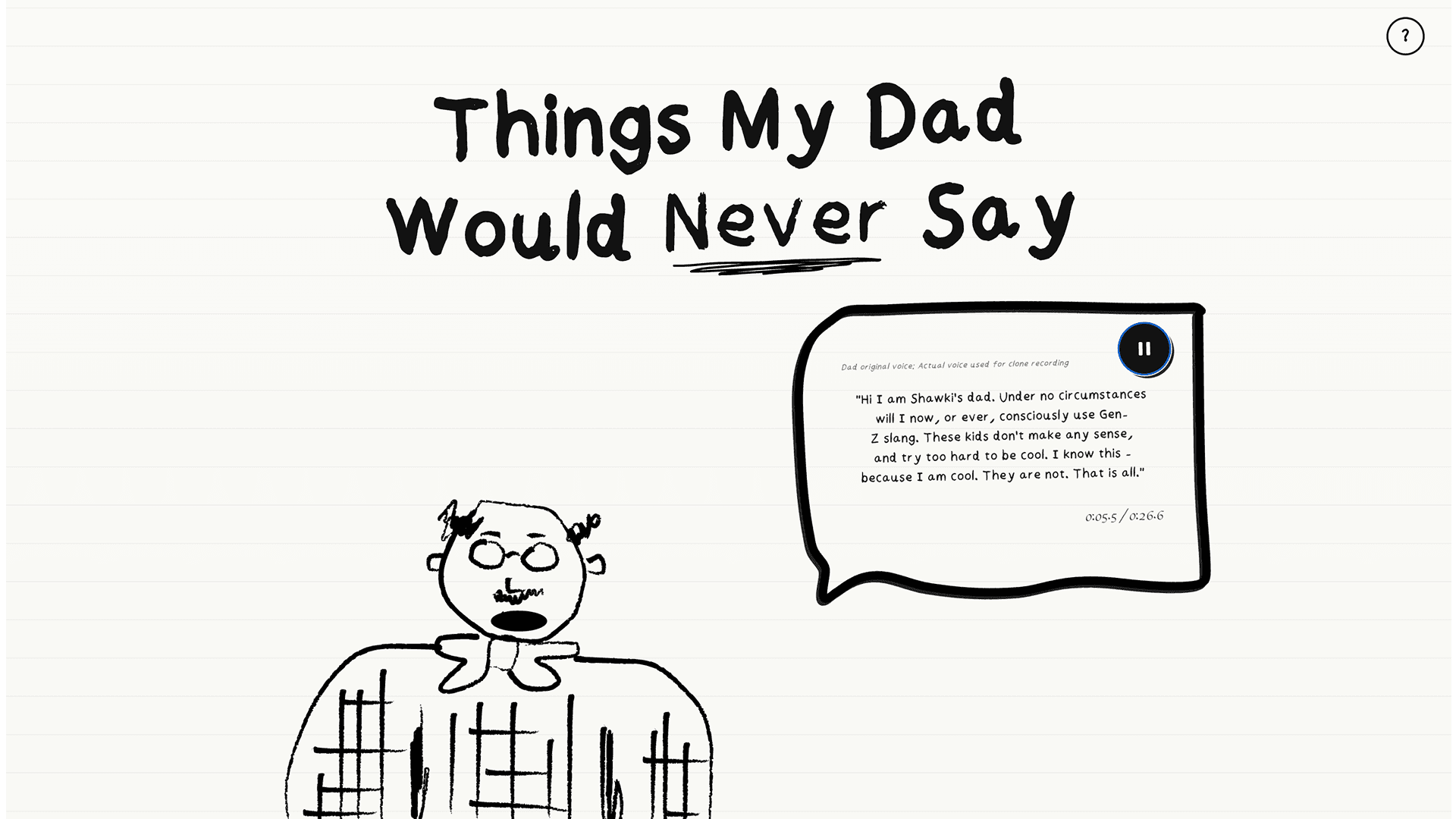
Since the technology behind the project felt cold and synthetic, I intentionally designed the interface to feel handmade and personal.
I created a custom font using my own handwriting.
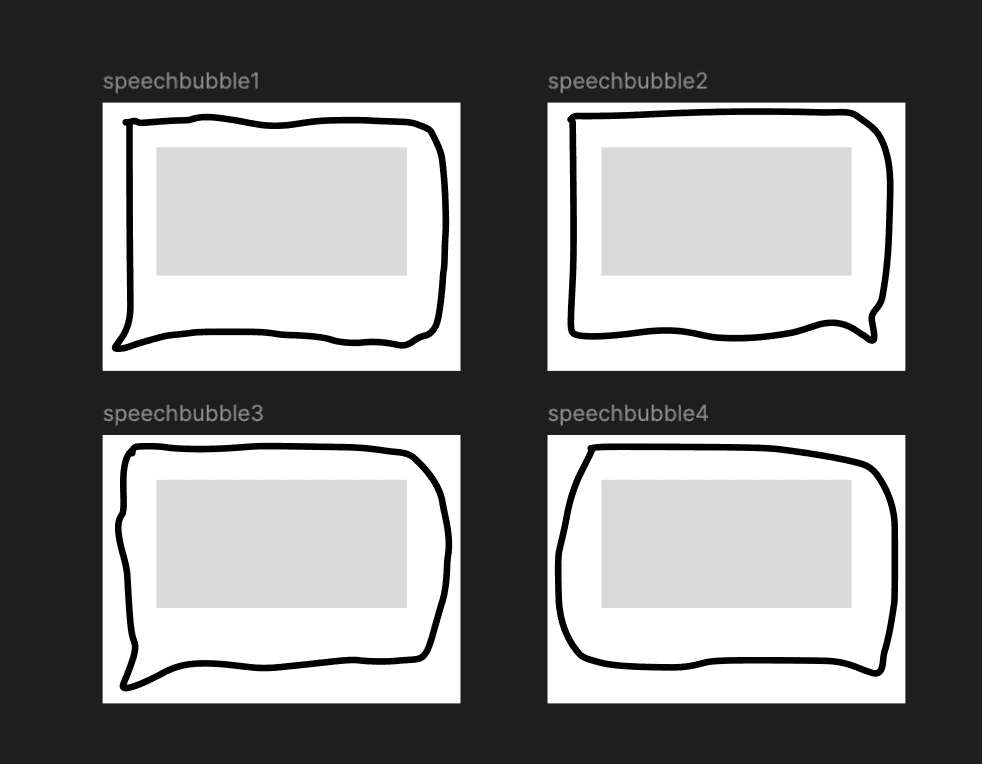
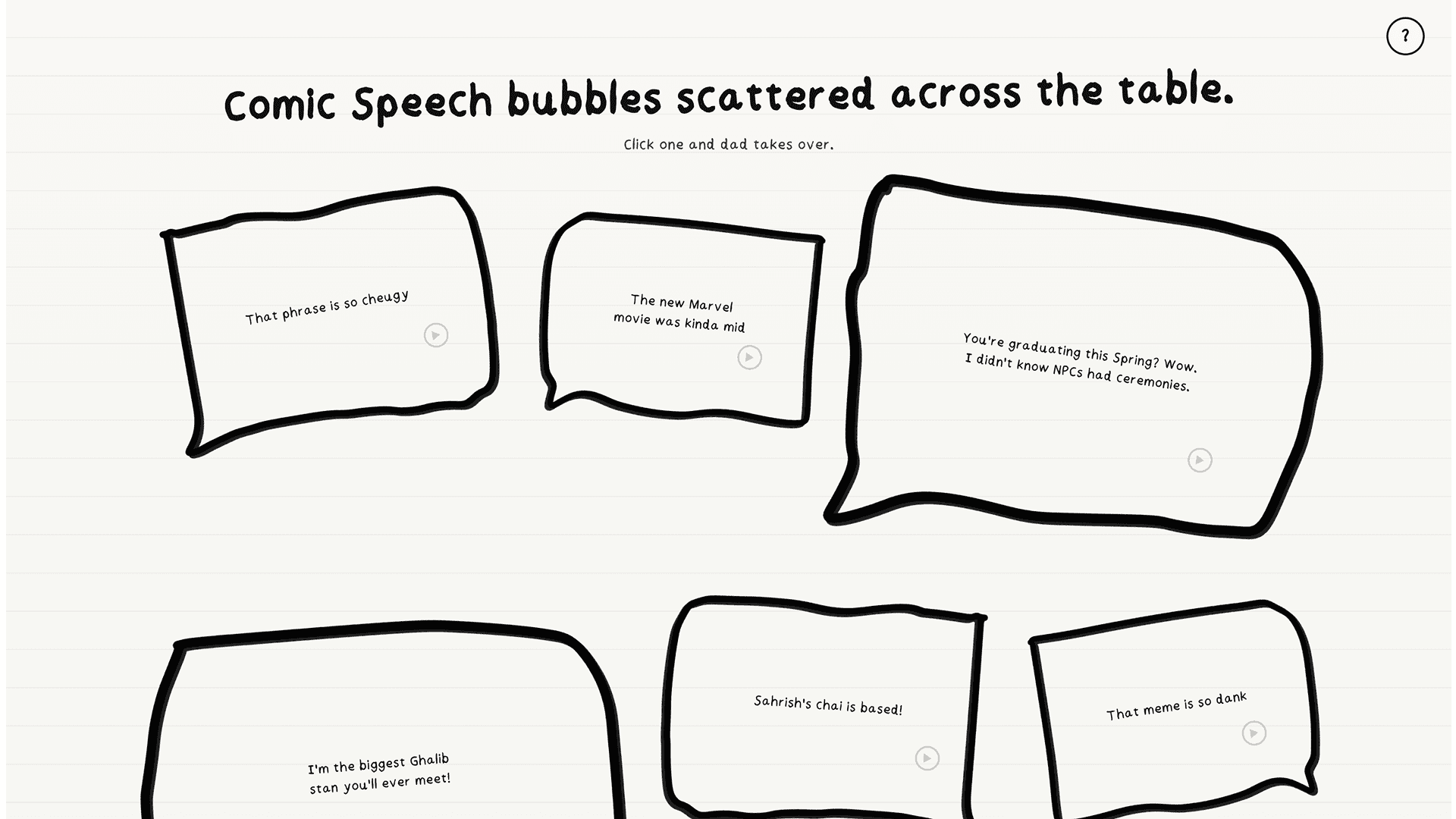
All speech bubbles and doodles were hand-drawn in Figma and exported as SVGs.
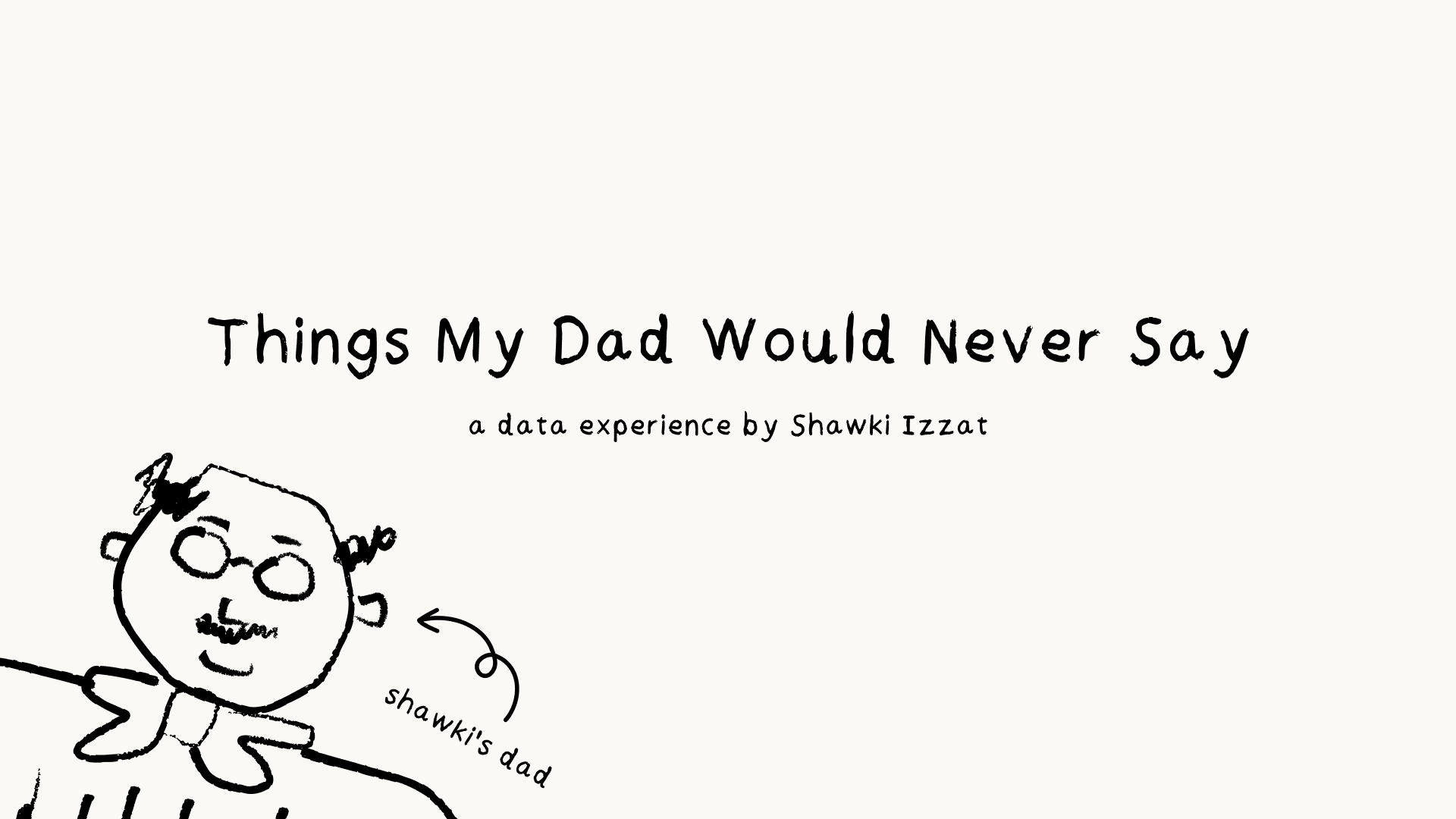
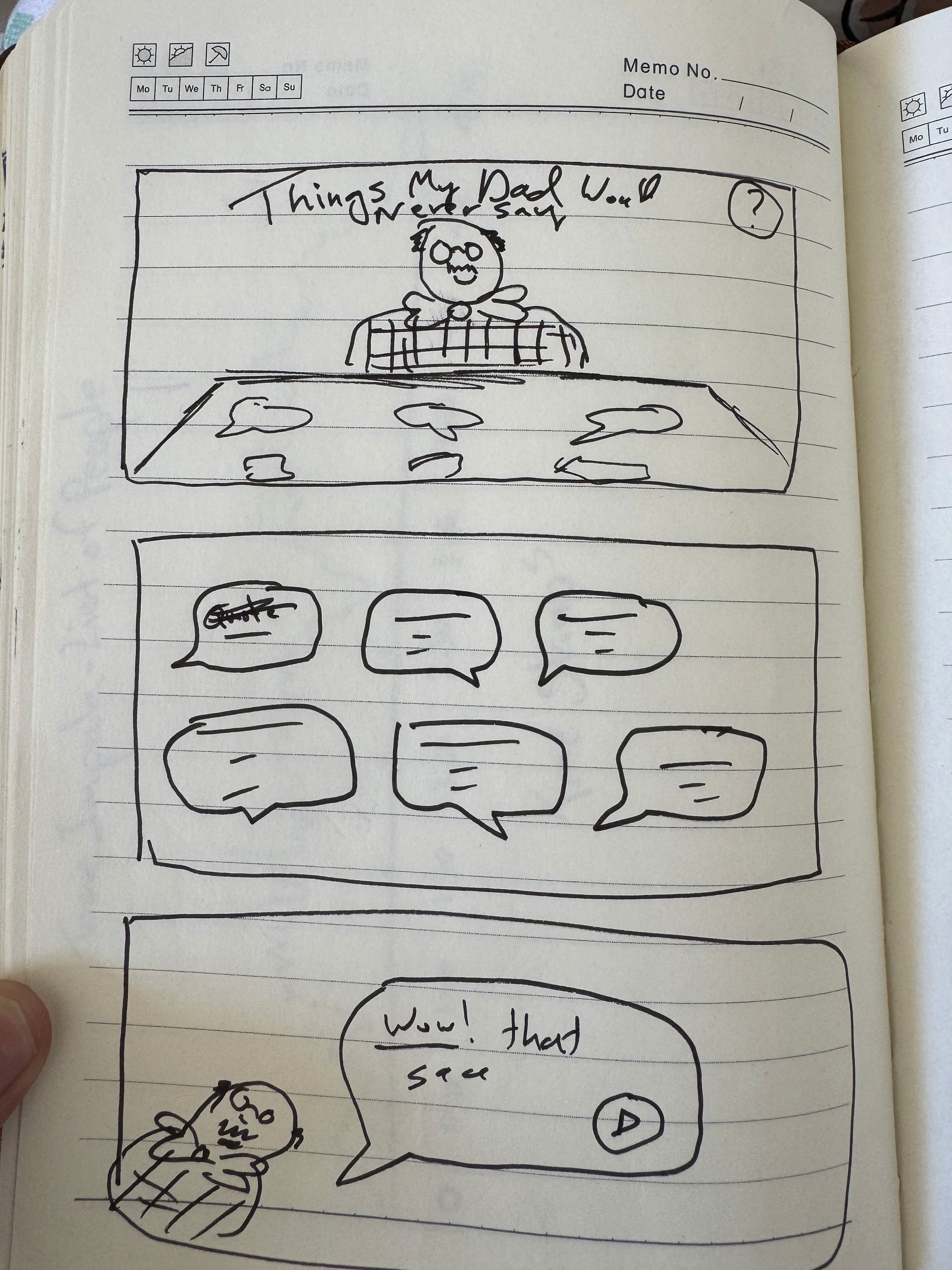
I sketched my dad’s avatar on paper before digitizing it.
I wanted the visuals to contrast the artificiality of AI cloning with something imperfect and deeply human.
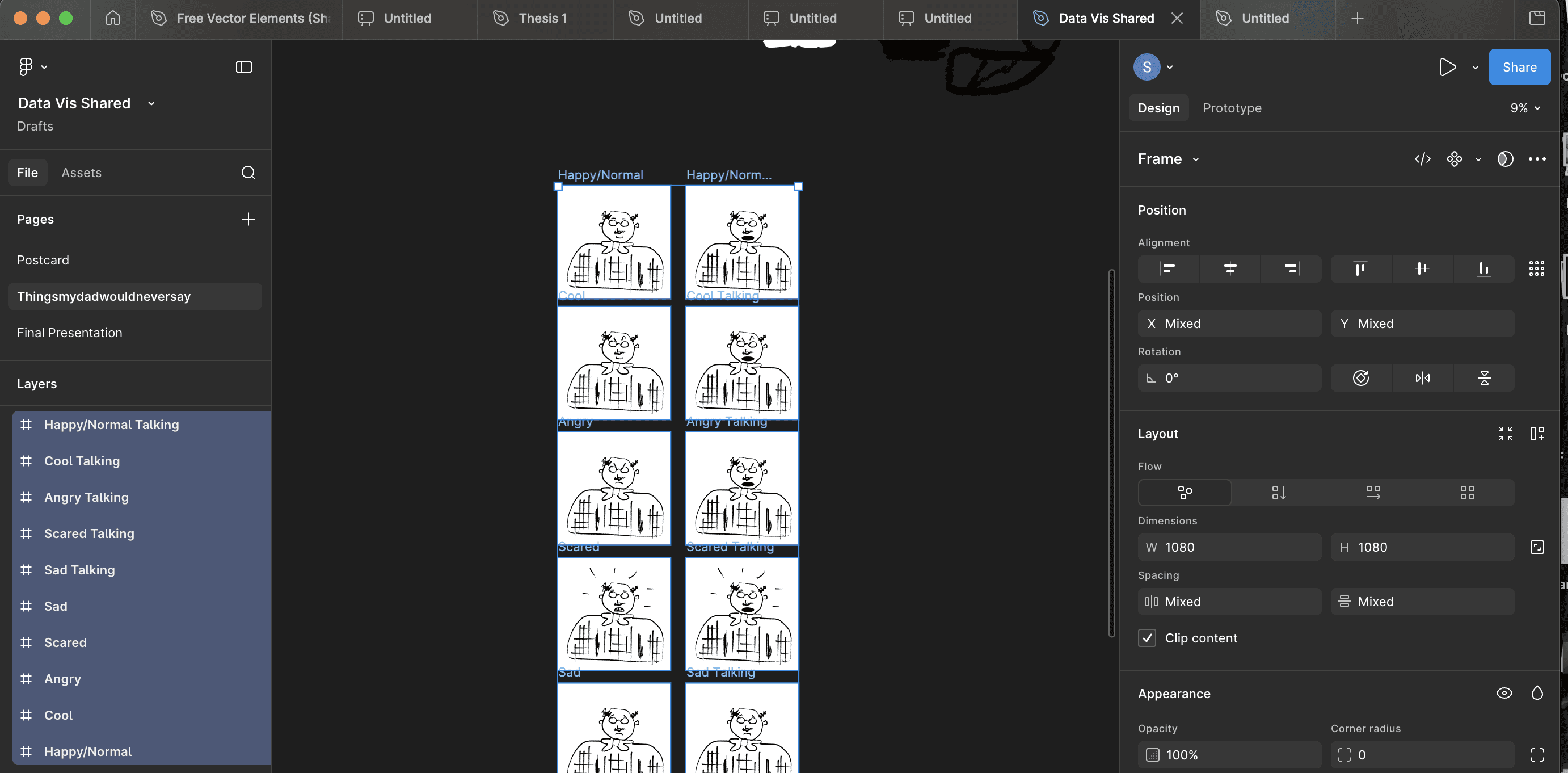
Emotion-based Dad States
The Gen-Z slang phrases were categorized by emotional tone:
Happy
Sad
Angry
Scared
“Cool Dad” mode
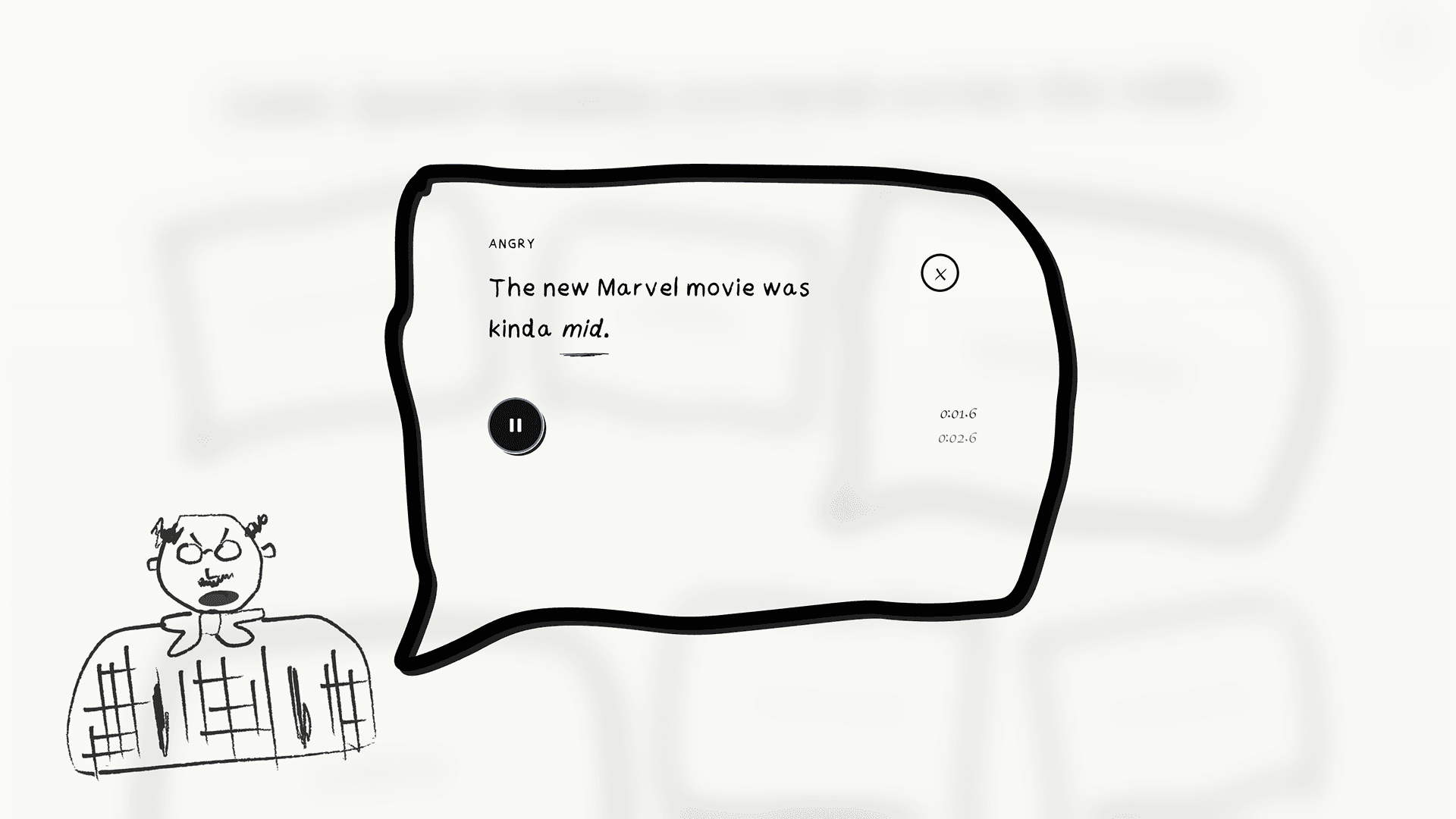
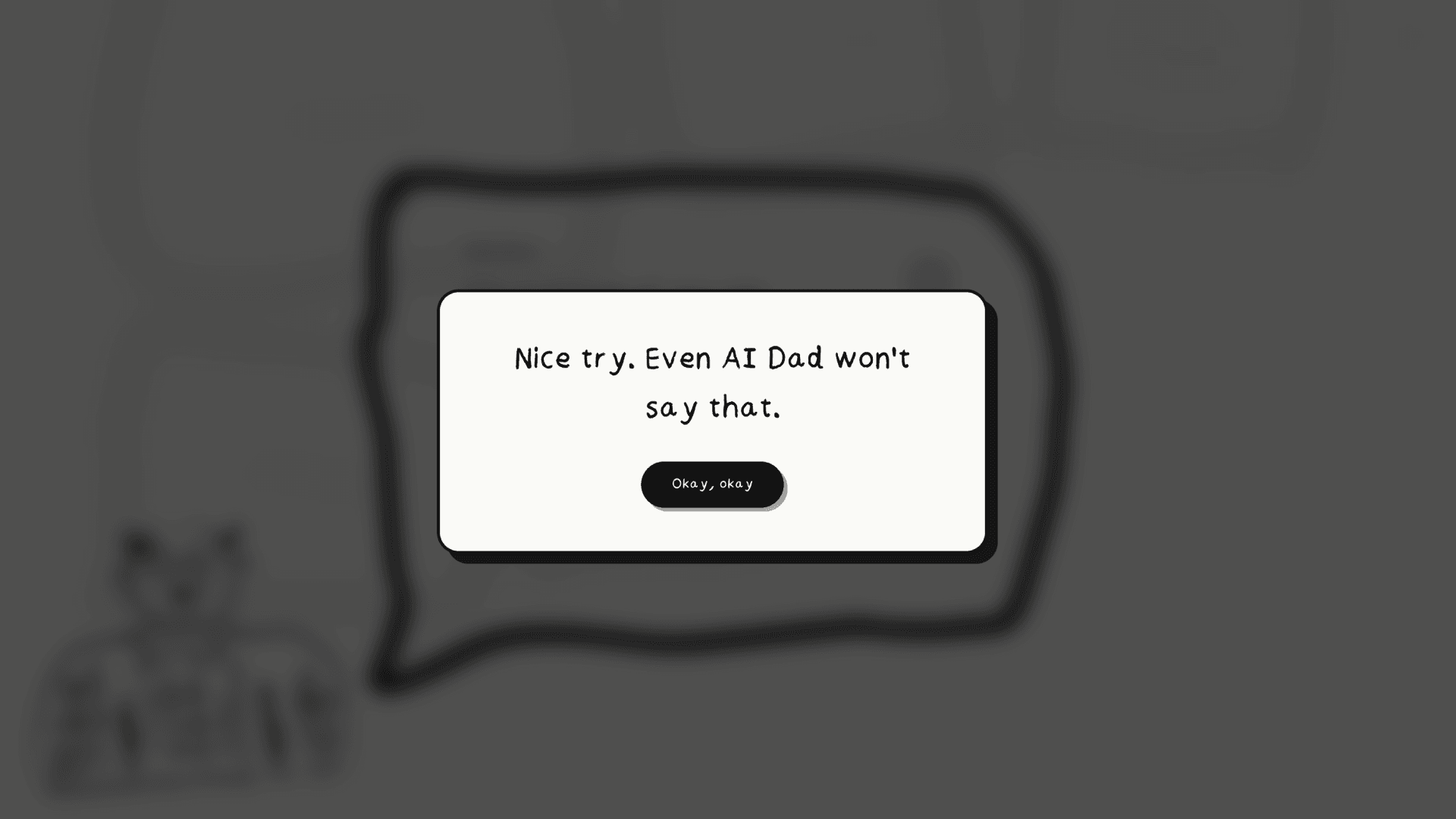
For each category, I illustrated two different sketch states of my dad. Depending on the phrase selected, a different doodled expression would slide onto the screen.
For example:
“The meme is so dank!” triggers a “cool dad” sketch.
“He’s really woke about climate change” displays a more worried expression.
This helped make the interaction feel dynamic and theatrical rather than simply text-to-speech.
Gallery
Reflection
This project was one of my first experiences meaningfully experimenting with AI-generated media, and it left me both entertained and thoughtful.
On one hand, the project is intentionally funny — hearing an AI-generated version of my father say words like “rizz” or “dank” is absurd in the best way possible. But underneath the humor is a very real tension around voice cloning technology and the ethical questions surrounding it.
Even though this project was made entirely with consent and for comedic purposes, it highlighted how believable synthetic voices are becoming. As these tools continue to evolve, we will need stronger guardrails and better systems for distinguishing authentic media from artificial reproductions.
Still, despite all the advances in AI, I can confidently say that my real father will probably never use the word “rizz” for as long as either of us are alive.